
Sale!

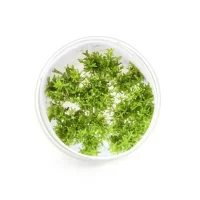
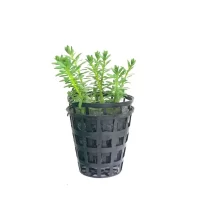
Rotala nanjenshan [Tc]

Original price was: ₹300.00.Current price is: ₹250.00.

Weight: 0.05 kg
Dimensions: 7.5 × 7.5 × 5 cm
Light Requirement: Very Bright
Plant Difficulty: Easy
Plant Type: Stem
Packing: TC Cups

Rotala sp ?Nanjeshan?

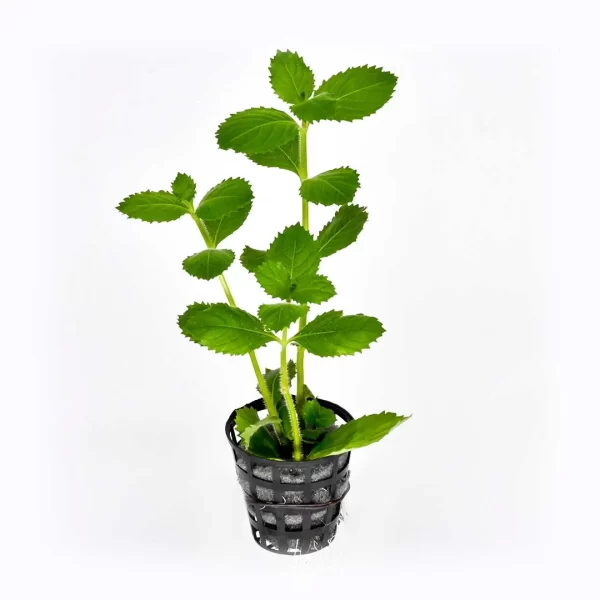
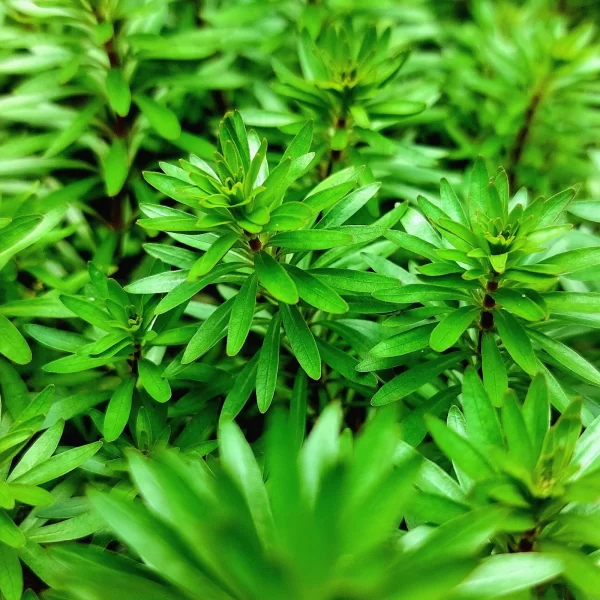
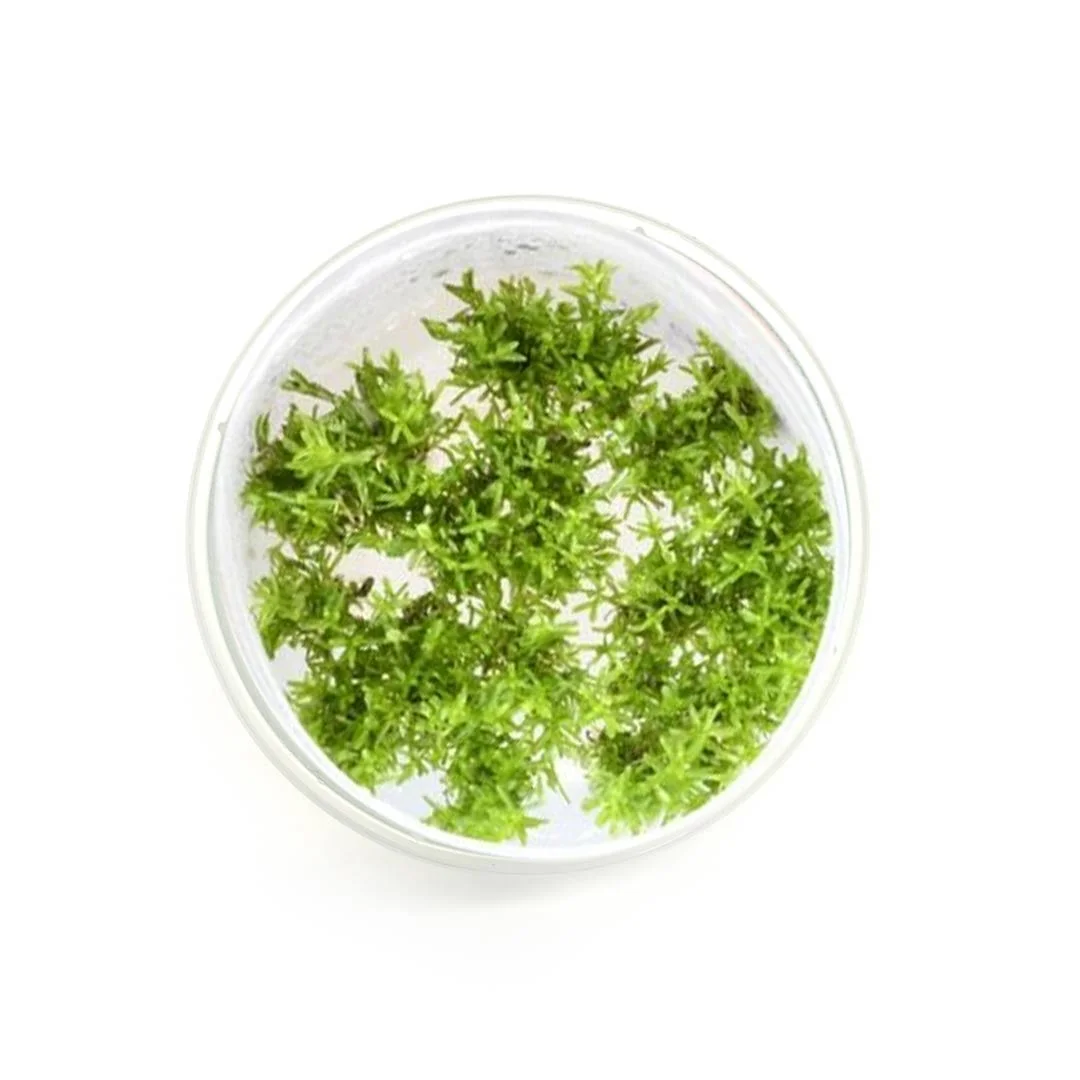
A native of Taiwan, but endemic to an island in Taiwan, Nanjean or Najean. This plant is believed to be a natural hybrid between R. rotundifoila and R. wallichi.? The emergent leaves are green in colour and narrower. Even though it looks like R. wallichi at first glance, in close scrutin , it can be realized that the leaves are much boarder than that of R. wallichi. The submerged leaves turn yellowish green with a pink hue under bright light. Under submerged conditions, the leaves are narrowly lanceolate. The leaves of R. wallichi will be needle shaped and dark pink when the plant adapts to submerged conditions.

A good choice for midground position in aquarium. Good light, nutrient rich substrate and CO2 injection can promote bushy growth. An easy plant it is.

Rotala sp ?Nanjeshan?A native of Taiwan, but endemic to an island in Taiwan, Nanjean or Najean. This plant is believed to be a natural hybrid between R. rotundifoila and R. wallichi.? The emergent leaves are green in colour and narrower. Even though it looks like R. wallichi at first glance, in close scrutin , it can be realized that the leaves are much boarder than that of R. wallichi. The submerged leaves turn yellowish green with a pink hue under bright light. Under submerged conditions, the leaves are narrowly lanceolate. The leaves of R. wallichi will be needle shaped and dark pink when the plant adapts to submerged conditions.A good choice for midground position in aquarium. Good light, nutrient rich substrate and CO2 injection can promote bushy growth. An easy plant it is.
Add to cart
Description

Description

Weight: 0.05 kg
Dimensions: 7.5 × 7.5 × 5 cm
Light Requirement: Very Bright
Plant Difficulty: Easy
Plant Type: Stem
Packing: TC Cups

Rotala sp ?Nanjeshan?

A native of Taiwan, but endemic to an island in Taiwan, Nanjean or Najean. This plant is believed to be a natural hybrid between R. rotundifoila and R. wallichi.? The emergent leaves are green in colour and narrower. Even though it looks like R. wallichi at first glance, in close scrutin , it can be realized that the leaves are much boarder than that of R. wallichi. The submerged leaves turn yellowish green with a pink hue under bright light. Under submerged conditions, the leaves are narrowly lanceolate. The leaves of R. wallichi will be needle shaped and dark pink when the plant adapts to submerged conditions.

A good choice for midground position in aquarium. Good light, nutrient rich substrate and CO2 injection can promote bushy growth. An easy plant it is.

Rotala sp ?Nanjeshan?A native of Taiwan, but endemic to an island in Taiwan, Nanjean or Najean. This plant is believed to be a natural hybrid between R. rotundifoila and R. wallichi.? The emergent leaves are green in colour and narrower. Even though it looks like R. wallichi at first glance, in close scrutin , it can be realized that the leaves are much boarder than that of R. wallichi. The submerged leaves turn yellowish green with a pink hue under bright light. Under submerged conditions, the leaves are narrowly lanceolate. The leaves of R. wallichi will be needle shaped and dark pink when the plant adapts to submerged conditions.A good choice for midground position in aquarium. Good light, nutrient rich substrate and CO2 injection can promote bushy growth. An easy plant it is.
Additional information
Reviews (0)

Quick Comparison

Rotala nanjenshan [Tc] removeHygrophilla difformis removeProserpinaca Palustris [Tc] removeLudwigia repens “Super Red” [Tc] removeMicranthemum micranthimoids “Pearl weed” [Tc] removeAnubia barteri ‘Nana’ remove
NameRotala nanjenshan [Tc] removeHygrophilla difformis removeProserpinaca Palustris [Tc] removeLudwigia repens “Super Red” [Tc] removeMicranthemum micranthimoids “Pearl weed” [Tc] removeAnubia barteri ‘Nana’ remove
ImageRotala nanjenshan [Tc]Hygrophilla difformisProserpinaca Palustris [Tc]Ludwigia repens “Super Red” [Tc]Micranthemum micranthimoids “Pearl weed” [Tc]Anubia barteri ‘Nana’
SKU
Rating
Price Original price was: ₹300.00.Current price is: ₹250.00. Original price was: ₹60.00.Current price is: ₹48.00. Original price was: ₹325.00.Current price is: ₹250.00. Original price was: ₹300.00.Current price is: ₹250.00. Original price was: ₹300.00.Current price is: ₹250.00. Original price was: ₹325.00.Current price is: ₹300.00.
Stock
WeightN/AN/AN/AN/AN/AN/A
DimensionsN/AN/AN/AN/AN/AN/A
Additional information
Light Requirement

Very Bright

Plant Type

Stem

Plant Difficulty

Easy

Light Requirement

Bright

Plant Difficulty

Easy

Plant Type

Stem

Light Requirement

Very Bright

Plant Difficulty

Difficult

Plant Type

Stem

Light Requirement

Very Bright

Plant Type

Stem

Plant Difficulty

Medium

Light Requirement

Very Bright

Plant Difficulty

Medium

Plant Type

Stem

Light Requirement

Very Bright

Plant Difficulty

Easy

Plant Type

Stem

DescriptionWeight: 0.05 kg Dimensions: 7.5 × 7.5 × 5 cm Light Requirement: Very Bright Plant Difficulty: Easy Plant Type: Stem Packing: TC Cups
Rotala sp ?Nanjeshan? A native of Taiwan, but endemic to an island in Taiwan, Nanjean or Najean. This plant is believed to be a natural hybrid between R. rotundifoila and R. wallichi.? The emergent leaves are green in colour and narrower. Even though it looks like R. wallichi at first glance, in close scrutin , it can be realized that the leaves are much boarder than that of R. wallichi. The submerged leaves turn yellowish green with a pink hue under bright light. Under submerged conditions, the leaves are narrowly lanceolate. The leaves of R. wallichi will be needle shaped and dark pink when the plant adapts to submerged conditions. A good choice for midground position in aquarium. Good light, nutrient rich substrate and CO2 injection can promote bushy growth. An easy plant it is.
Rotala sp ?Nanjeshan?A native of Taiwan, but endemic to an island in Taiwan, Nanjean or Najean. This plant is believed to be a natural hybrid between R. rotundifoila and R. wallichi.? The emergent leaves are green in colour and narrower. Even though it looks like R. wallichi at first glance, in close scrutin , it can be realized that the leaves are much boarder than that of R. wallichi. The submerged leaves turn yellowish green with a pink hue under bright light. Under submerged conditions, the leaves are narrowly lanceolate. The leaves of R. wallichi will be needle shaped and dark pink when the plant adapts to submerged conditions.A good choice for midground position in aquarium. Good light, nutrient rich substrate and CO2 injection can promote bushy growth. An easy plant it is.
Light Requirement: Bright Plant Difficulty: Easy Plant Type: Stem Packing: Pots Hygrophila difformis (from South Asia) or water wisteria is very popular on in the trade. The emersed grown has leaves which are dark green and oval with serrated margins. In submerged conditions, leaves are highly dissected and light green in colour. A plant in mid to background settings in the aquarium and trimming is to be done very often due to its faster growth.
Hygrophila difformis (from South Asia) or water wisteria is very popular on in the trade. The emersed grown has leaves which are dark green and oval with serrated margins. In submerged conditions, leaves are highly dissected and light green in colour. A plant in mid to background settings in the aquarium and trimming is to be done very often due to its faster growth.
Weight: 0.05 kg Dimensions: 7.5 × 7.5 × 5 cm Light Requirement: Very Bright Plant Difficulty: Difficult Plant Type: Stem Packing: TC Cups
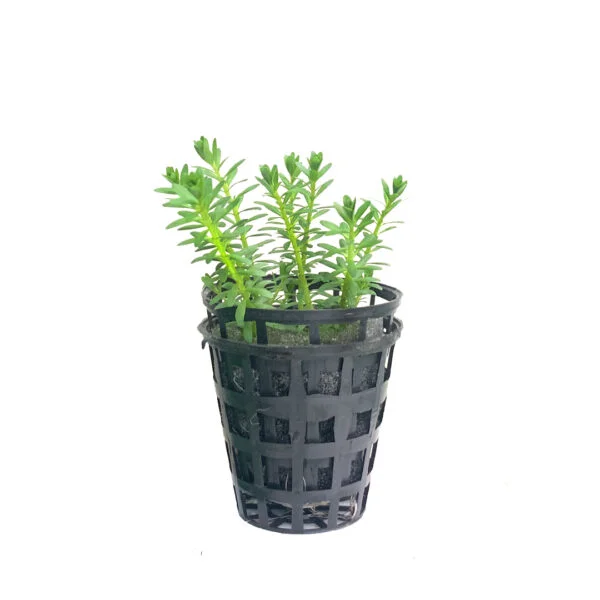
Genus: Proserpinaca Family: Halograceae Commonly called mermaid weed from watermilfoil family Halograceae to which another genus belongs, the very popular Myriophyllum. The genus Proserpinaca,? is a small one comprising only 2 or 3 species which are ?native to eastern North America and West Indies.? This genus can be easily distinguished from Myriophyllum by having only 3 stamens and 3 carpels per flower while? ?the latter having 4 or 8 Proserpinaca palustris A very beautiful plant which can adapt to terrestrial as well as underwater life. The leaves of emergent ones are elliptical, green and with serrated margins. When grow underwater, the leaf colour will become yellowish brown to pink and the leaf margin develops appendage like extensionsThis unique shape of the leaves is really stunning and make this plant a popular choice to any hobbyist. This plant is not so demanding and even a novice can try it. However, nutrient addition and CO2 injection are necessary to maintain its vigour. Midground setting is often preferred.
Genus: Proserpinaca Family: HalograceaeCommonly called mermaid weed from watermilfoil family Halograceae to which another genus belongs, the very popular Myriophyllum. The genus Proserpinaca,? is a small one comprising only 2 or 3 species which are ?native to eastern North America and West Indies.? This genus can be easily distinguished from Myriophyllum by having only 3 stamens and 3 carpels per flower while? ?the latter having 4 or 8Proserpinaca palustrisA very beautiful plant which can adapt to terrestrial as well as underwater life. The leaves of emergent ones are elliptical, green and with serrated margins. When grow underwater, the leaf colour will become yellowish brown to pink and the leaf margin develops appendage like extensionsThis unique shape of the leaves is really stunning and make this plant a popular choice to any hobbyist. This plant is not so demanding and even a novice can try it. However, nutrient addition and CO2 injection are necessary to maintain its vigour. Midground setting is often preferred.
Weight: 0.05 kg Dimensions: 7.5 × 7.5 × 5 cm Light Requirement: Very Bright Plant Difficulty: Medium Plant Type: Stem Packing: TC Cups This cosmopolitan stem plant turns red easier and is smaller than the well-known Ludwigia repens ’Rubin’. Each stalk becomes 2-4 cm wide and 10-30 cm high. The plant willingly creates side shoots, but cutting increases the amount and the plant becomes even denser. The cut-off shoots quickly generate new roots when planted. The plant becomes intensely red and grows better, when placed in light and with added CO2. This cosmopolitan stem plant turns red easier and is smaller than the well-known Ludwigia repens ’Rubin’. Each stalk becomes 2-4 cm wide and 10-30 cm high. The plant willingly creates side shoots, but cutting increases the amount and the plant becomes even denser. The cut-off shoots quickly generate new roots when planted. The plant becomes intensely red and grows better, when placed in light and with added CO2.Weight: 0.05 kg Dimensions: 7.5 × 7.5 × 5 cm Light Requirement: Very Bright Plant Difficulty: Medium Plant Type: Stem Packing: TC Cups
Pearlweed is a bright green, low-growing stem plant perfect for beginners. It is a versatile species which can be used for both foreground, midground and background. Constant pruning will keep it low growing and spread runners horizontally. This plant grows best with moderate light and CO2 levels around 6-14ppm. However, pearlweed can usually get all the nutrients it needs from a nutrient-enriched substrate and healthy fish colony. For super dense growth, use high light and CO2. Bright light will yield bushy growth, while moderate light yields looser, upward growth. Once your pearlweed is established it will need to be pruned, as it can grow unruly when left unchecked. This plant will tolerate substantial pruning, so you can let it grow large and dense and then trim it into a desired shape if you wish.
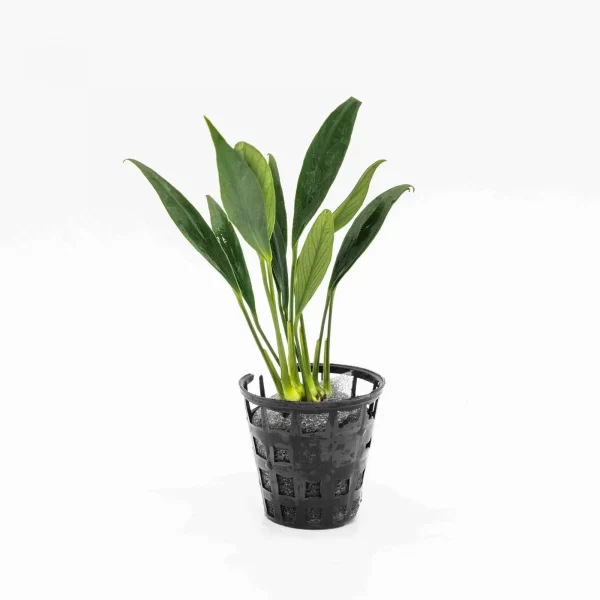
Light Requirement: Very Bright Plant Difficulty: Easy Plant Type: Stem Packing: Pots
Add to cart

Add to cart

Add to cart

Add to cart

Add to cart

Add to cart

Add to cart

At Zoorro, we’re passionate about pets and committed to providing everything they need — from nutritious food and fun toys to grooming essentials and accessories. Whether you have a playful pup, a curious cat, or a feathered friend, Zoorro is your trusted partner in pet care.
Select the fields to be shown. Others will be hidden. Drag and drop to rearrange the order.
  • Image
  • SKU
  • Rating
  • Price
  • Stock
  • Availability
  • Add to cart
  • Description
  • Content
  • Weight
  • Dimensions
  • Additional information
Click outside to hide the comparison bar
Compare
Home
Shopping
Wishlist
Account